
Under Eye Hollows: Under Eye Filler Boston
Under-eye hollows—also called tear trough deformities—can make you look tired, aged, or even unwell, even when you’re not. Under Eye Filler Boston can help minimize them, but it’s not as simple as “just adding filler.” In fact, under-eye filler is one of the most technically demanding and high-risk procedures in aesthetic medicine.
What Are Under-Eye Fillers?
Dermal fillers—usually hyaluronic acid-based—are injected under the eyes to reduce the appearance of hollows, dark circles, or volume loss. While the idea sounds simple, the anatomy under the eyes is extremely delicate and complex.
Are Fillers the Best or Safest Option for Tear trough area?
There is no single “best filler” or “safest technique” for every patient. Most of the under eye area problems may need surgical correction. Choosing an experienced provider or physician and selecting the right candidates for Under-Eye Filler is key.
Important note: Permanent or semi-permanent fillers like Silicone, Sculptra, or Radiesse should never be used under the eyes. The results can be disastrous, and removal may be impossible.
The Truth About Longevity: Do Under-Eye Fillers Last Forever?
Unfortunately, under-eye fillers often stay for several years. While most hyaluronic acid fillers are marketed to last 6–12 months, many persist for years in this area due to the lack of movement and slower metabolism. Over time, they can migrate, create puffiness, or turn blue (Tyndall effect), making you look worse instead of better.
Can You Reverse Lower Eyelid Fillers?
If a hyaluronic acid filler was used for under eye hollows, an enzyme called hyaluronidase can dissolve it—but not always completely. If the filler is deeply embedded, migrated, or fibrosed, it may not dissolve fully. That’s why the key to a natural and safe result lies in precision and restraint from the very beginning.

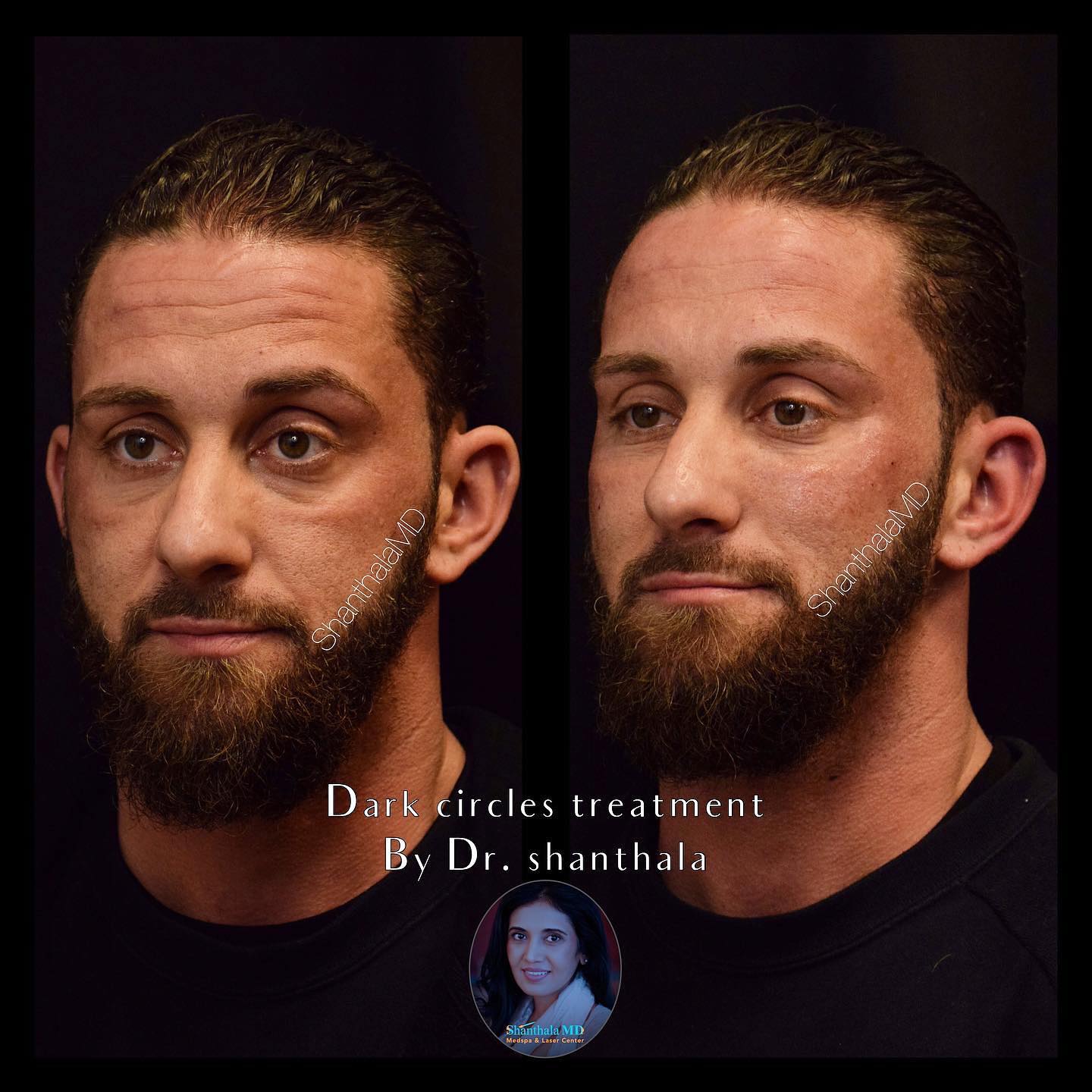
Are PRP or PRF Better Options for Lower Eyelid hollows?
Platelet-rich plasma (PRP) and platelet-rich fibrin (PRF) are regenerative treatments that use your body’s own growth factors to stimulate collagen and improve skin quality. While they don’t add volume like fillers do, they can soften the appearance of hollows, thicken the skin, and improve pigmentation—all without the risks associated with synthetic products. Multiple treatments are needed, but the results are more natural and biologically supportive.
What Can Go Wrong with Under-Eye Fillers?
Complications from under-eye hollows correction with dermal filler are rare, but can occur even with the most experienced surgeons, Dermatologists, and aesthetic physicians. The key is to educate the patients about these risks and take all the best precautions to avoid is crucial. Experience of your practitioner and their education matter.
• Swelling and puffiness (can last months or years)
• Tyndall effect (a bluish hue under the skin)
• Filler migration
• Lumps or uneven texture
• Chronic inflammation
• Infection or vascular occlusion (rare but serious)
• Long-term distortion of anatomy
How to Minimize complications after Lower Eyelid Fillers?
Choosing an experienced medical professional for your under-eye fillers in Boston is everything. Here’s what matters:
1.Experience – How many under-eye fillers have they done? Do they routinely dissolve poorly placed fillers?
2.Credentials – Are they a board-certified MD? Do they have hospital-level medical training?
3.Anatomy expertise – Do they understand vascular danger zones and facial depth planes?
4.Tools used – Cannula vs. needle: cannulas are often safer but require advanced skill.
5.Assessment skills – Do they know when not to treat? A true expert will say no more than yes.
6.Ongoing care – Under-eye treatments require long-term follow-up, touch-ups, and sometimes reversal.
Don’t Gamble With Your Eyes - Beware of Blindness after Fillers
Under-eye filler can go right—or it can go very wrong. This is not a beginner-level procedure. It’s not about choosing the cheapest option or following a trend. It’s about choosing someone with the right expertise, judgment, and ethics. If you’re considering lower eyelid fillers, you need an honest evaluation and a personalized plan, not a one-size-fits-all filler approach. Sometimes the best treatment is less filler. Sometimes it’s no filler at all. Often, surgery is the only viable option.
Common Questions About Under-Eye Hollows Treatment
1. What causes under-eye hollows?
•Under-eye hollows can be caused by various factors, including genetics, loss of underlying tissue, venous circulation issues, pigmentation, or herniation of orbital fat, which may require surgical correction.
2. How is the under-eye area different from other areas for filler treatment?
The skin around the eyes is much thinner and more sensitive than the cheeks or other areas. Because of this, injecting fillers in the under-eye area requires an exceptional degree of education, experience, and knowledge. The anatomy around the eyes is intricate, and mistakes can result in serious complications such as skin necrosis, swelling, or, in rare cases, blindness.
3.How is tear trough filler treatment different from other filler treatments?
Under-eye filler treatments are much more challenging and advanced. The area is complex and prone to complications like swelling or an unnatural appearance if not done correctly. Unlike other areas where fillers may settle well, incorrect or inappropriate fillers in the under-eye region can result in puffiness, a “sausage-like” effect, or an uneven appearance when smiling.
4.Why are permanent fillers not recommended for under-eye treatment?
Dr. Shanthala highly discourages the use of permanent or semi-permanent fillers such as Sculptra, Radiesse, or Bellafill in the under-eye area. These products can lead to long-term complications and may be difficult to correct once injected.
The Risks of Tear Trough Filler Treatments
Due to the proximity to vital structures like the eyes, there is a higher risk of complications with under-eye fillers. Accidental injection into blood vessels can cause serious problems, including blindness and skin necrosis. That’s why it is crucial to seek treatment from a highly experienced, credentialed professional like Dr. Shanthala.
Why PRF for lost volume under the eye
Platelet-Rich Plasma (PRP) and Platelet-Rich Fibrin (PRF): These treatments use your body’s own growth factors to rejuvenate the under-eye area naturally, improving hollows and texture without the risk of overfilling or puffiness.
Dermal Fillers Combined with PRP/PRF: In some cases, dermal fillers may be used in conjunction with PRP or PRF to achieve a smoother, more youthful appearance. Dr. Shanthala always uses microcannula or a blunt tip cannula and not a needle for under eye fillers. However, Dr. Shanthala is extremely selective in choosing the right type of filler for the under-eye area and avoids any products that might cause long-term issues.
Comprehensive Consultation and Personalized Treatment: Every patient at Shanthala MD undergoes a thorough consultation, where Dr. Shanthala carefully evaluates their anatomy and discusses the most appropriate treatment options. In cases where surgery may be the better option, such as orbital fat herniation, Dr. Shanthala will provide expert guidance.
Why Choose Dr. Shanthala for treating under eye hollows?
At ShanthalaMD, your consultation and Tear trough filler procedure are performed by an experienced, Board-Certified MD; it is never delegated to an injector.
It is crucial to avoid cheap or inexperienced providers for under-eye fillers. Complications in this area can be severe, and fixing them can be difficult or impossible in some cases. At Shanthala MD, we take every precaution to ensure your safety and satisfaction.
Book a Consultation
If you are considering under-eye filler treatments, it’s important to seek the expertise of a skilled, credentialed professional. Dr. Shanthala will guide you through the process, help you choose the best treatment, and ensure that your results are safe, natural, and beautiful. Contact us today to schedule a consultation and learn more about our treatment options for under-eye hollows.
Dr. Shanthala uses Restylane Fillers and Platelet Rich Plasma or Vampire Procedures with a microcannula.

Dr. Shanthala Shivananjappa MD
Dr. Shanthala is a board-certified, Harvard trained anesthesiologist, assistant professor at Yale University, and staff at Massachusetts General Hospital prior to opening her cosmetic medicine clinic. Her extensive experience working with plastic surgical patients in the operating room for more than 25 years, paired with years of training in non-surgical cosmetic procedures, has enabled Dr. Shanthala to have a unique perspective on Anti-aging treatments.